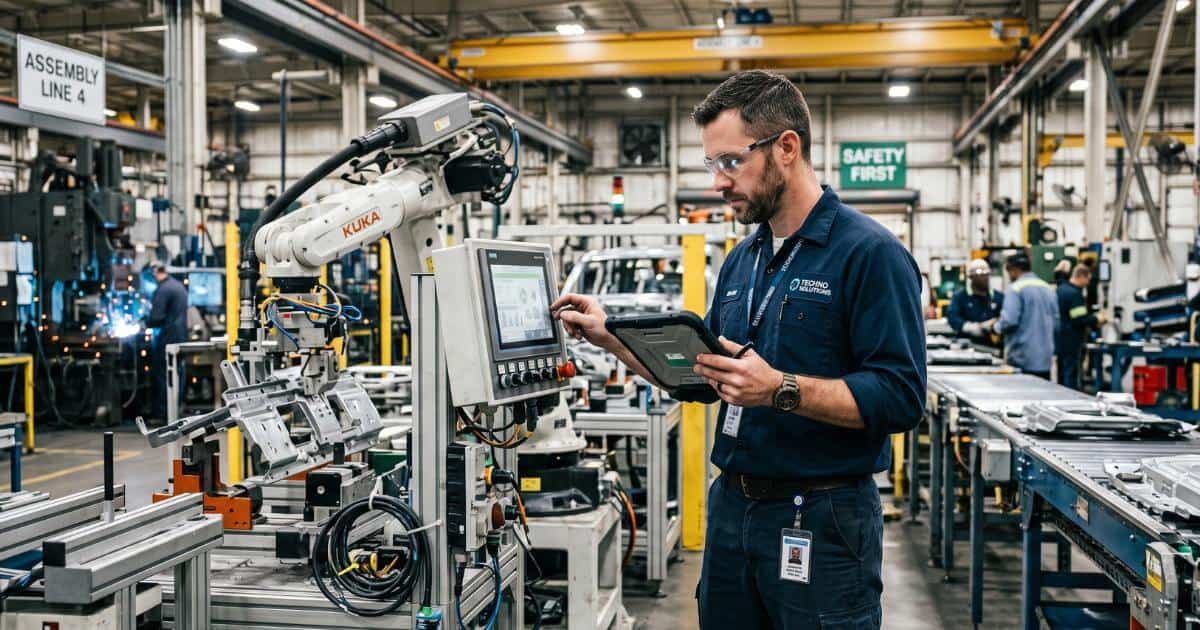
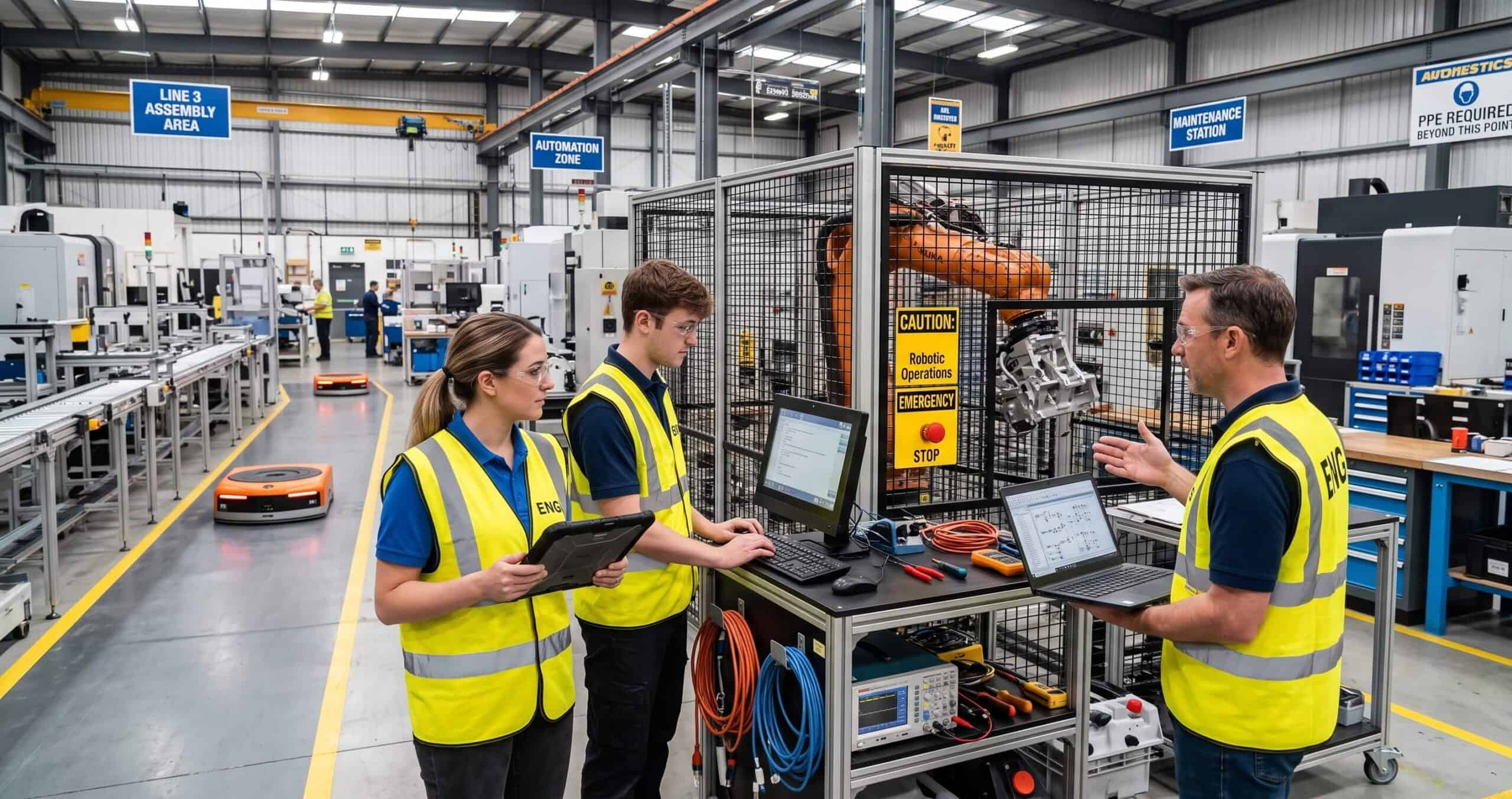
Two engineers with the same job title can be worth very different amounts to your organization. The difference usually isn’t experience or education. It’s whether they have the in-demand manufacturing engineering skills that command a pay premium and match where the field is actually headed.
That gap is showing up in hiring decisions and paychecks. Here’s what’s actually driving it.
Why Traditional Skill Sets Alone Don’t Cut It Anymore
For years, “electrical engineer” and “mechanical engineer” meant two distinct skill sets, and companies hired accordingly. That’s no longer how the best candidates present, reflecting the broader shift in engineering hiring trends manufacturers are now navigating.
“Companies are realizing they can’t just hire the same types of engineers they used to,” says Dave Chakmakjian, Senior Search Consultant at Capstone. “They need people who can work with robotics, AI, and automation software, not just electrical and mechanical systems.”
Should you require automation skills when hiring engineers to stay competitive? Increasingly, yes. According to the World Economic Forum, 39% of workers’ skills will shift within the next five years. In engineering, that shift is already showing up in job requirements, and in what employers are willing to pay for.
The Skills Commanding a Real Premium
Not every skill adds equal value. Some create a measurable gap in what an engineer can command.
“If an engineer knows robotics, AI, or data analytics, they can earn 10 to 20% more than their peers.”
DAVE Chakmakjian, CAPSTONE Senior Search Consultant
That’s one of the clearest answers available right now to which engineering skills command the highest pay. That premium is showing up even as overall salary growth cools.
“Salaries haven’t grown as much as they did in 2021 and 2022,” notes Art Ivanov, Capstone’s Practice Leader for Automation. “We’ve seen fewer large increases, and many candidates are wary of advertised bonuses, especially after reductions in underperforming industries like automotive.”
The exception is skills tied to automation and robotics. “Salaries are going up across the board, especially for engineers with automation and robotics experience,” says Chakmakjian.
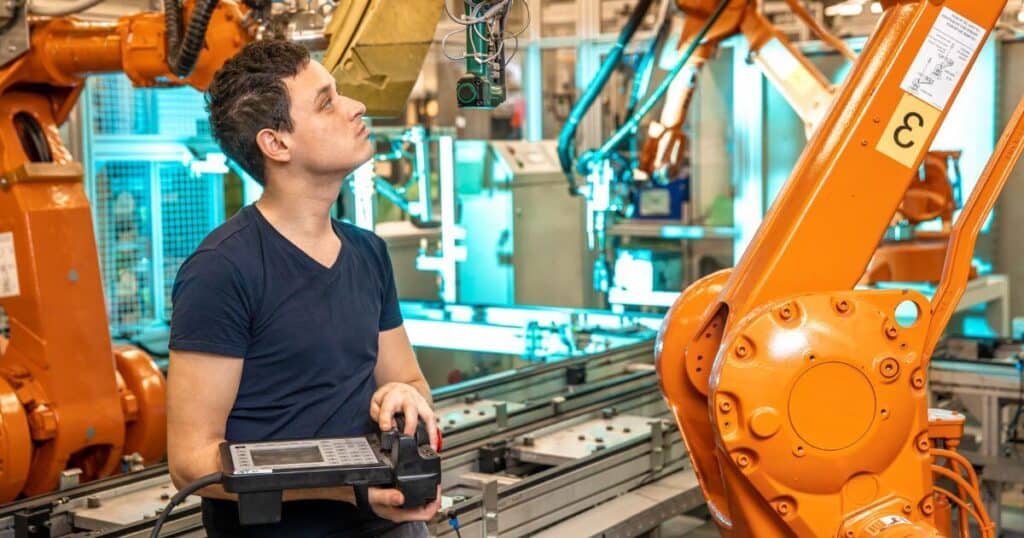
Robotics carries outsized weight as part of the broader robotics automation skills premium reshaping the market right now.
Ivanov notes that robotics experience in high-volume parts manufacturing, assembly, and vision work can significantly boost salary, more than experience with cobots or AGVs, at least for now.
The throughline across all of it: engineers who can bridge traditional engineering disciplines with software, data, and automation are the ones setting the market rate, not the ones just meeting it.
Cross-Training Is Becoming the Norm, Not the Exception
Even engineers in traditional manufacturing or process roles are benefiting from adding automation and data skills on top of their core expertise. Cross-training engineers toward automation is no longer a specialization reserved for automation-titled roles. It’s becoming table stakes across process, quality, and maintenance engineering functions too.
Companies that invest in upskilling their current engineers, not just recruiting new ones, are finding it’s often faster and cheaper than waiting for a fully-formed hybrid candidate to appear in the market.

What This Means for Your Compensation Strategy
If your comp bands were built around traditional discipline lines, they’re probably underpaying the engineers who’ve cross-trained into automation, data, or robotics, and that’s exactly where you’re most likely to lose them to a competitor who’s already adjusted.
“If Ability to Travel is to be considered a skill, it would move any engineering candidate to the top of my list,” says recruiter John Freeman, Capstone Search Consultant. “There is an incredible shortage of engineers who are willing/able to travel 50%+ in a given month, and our clients are making sure to compensate such engineers accordingly.”
Closing that engineering compensation skills gap starts with knowing which skills your current bands are actually missing.
We’ll be breaking down exactly what these skill premiums look like by role and discipline in our upcoming 2027 Engineering Salary Guide. In the meantime, if you’re wondering how to increase engineering salary competitiveness across your team, reflecting these premiums in your comp structure is the place to start.
Knowing which skills to pay for, and how much, is half the battle. The other half is finding candidates who actually have them. Talk to Capstone’s engineering recruiting team to build a hiring strategy around the skills that actually move your business forward.
Insights provided by:
Dave Chakmakjian, Senior Search Consultant
Art Ivanov, Practice Leader, Automation
John Freeman, Search Consultant